What Are Figs?
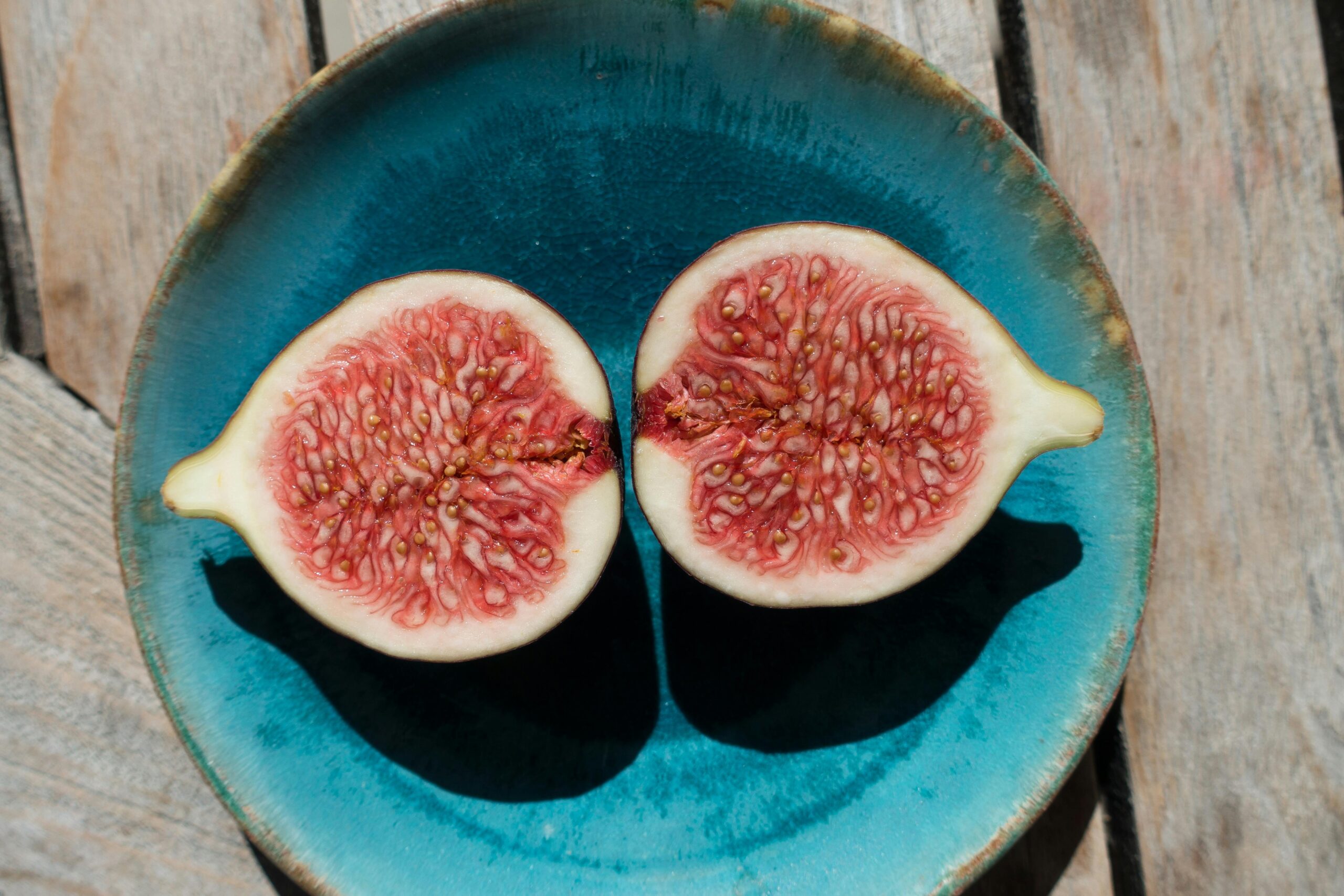
Figs are soft, sweet fruits that grow on the Ficus carica tree, native to the Mediterranean and western Asia. They are known for their chewy texture, honey-like flavor, and crunchy edible seeds, figs have been eaten for centuries and are often dried for preservation.
Fresh or dried, figs are considered a nutritional powerhouse, rich in natural sugar, fiber, and essential minerals. Figs are cholesterol-free, rich in prebiotics, and support a healthy gut microbiome.
In India and parts of the Middle East, figs are known as anjeer, widely used in traditional wellness, desserts, and snacks.
Which Countries Produce the Best Figs?
Figs thrive in warm, dry climates. The best quality figs typically come from:
Top Fig-Producing Countries:
- Turkey – The largest producer, especially known for dried figs like the Sarılop variety
- Iran – Offers premium quality dried and fresh anjeer
- Spain – Grows soft, pulpy figs often used in preserves
- Greece – Known for traditional fig cultivation, especially Kalamata figs
- California, USA – Supplies fresh and sun-dried Mission and Calimyrna figs
Indian states like Maharashtra and Karnataka also produce high-quality anjeer, primarily in dried form.
Are Figs Good for You?
Yes — figs are exceptionally good for your health. They’re naturally rich in fiber, antioxidants, and minerals, making them beneficial for digestion, heart health, hormonal balance, and even skin clarity.
Whether eaten dried or fresh, figs are low in fat, high in plant-based nutrition, and ideal for anyone looking to include more whole foods in their diet.
What Do Figs Taste Like?
Figs have a delicate, honey-like sweetness with a jammy texture and a hint of berry or citrus, depending on the variety.
- Fresh figs are juicy, soft, and mildly sweet with a thin, edible skin.
- Dried figs are more concentrated in flavor — chewy, caramel-like, and slightly nutty from the crunchy seeds.
- Fresh figs are great in salads, desserts, or eaten as-is.
- Dried figs (anjeer) are more intense in sweetness, making them ideal for snacking, smoothies, or traditional dishes.
- Dried figs also have a longer shelf life and more concentrated nutrients, especially in fiber and antioxidants.
Benefits of Figs for Skin
Figs are a skin-loving superfruit, especially when consumed regularly or used in DIY skincare treatments.
✨ Skin Benefits of Anjeer:
- Glowing Skin: Antioxidants like polyphenols fight dullness and oxidative stress.
- Anti-Aging: Vitamins C and B6 help reduce wrinkles and improve elasticity.
- Hydration: Natural sugars and water content keep skin supple.
- Fights Acne: Anti-inflammatory properties calm irritated or inflamed skin.
- Brightens Complexion: Helps even out skin tone with consistent intake.
Benefits of Figs for Women’s Health
Figs are especially beneficial for hormonal balance, reproductive health, and iron levels — areas that many women struggle with.
Benefits of Figs for Women:
- Improves Menstrual Health: Regulates periods and reduces cramps.
- Balances Hormones: High in minerals that support the endocrine system.
- Boosts Fertility: Figs have been used traditionally to improve reproductive vitality.
- Increases Iron Levels: Great for women with anemia or heavy periods.
- Promotes Gut Health: Fiber-rich content helps with bloating and digestion.
- Strengthens Bones: Calcium and magnesium support bone density, especially after 30.
Figs are more than just a sweet snack — they’re a versatile, nutrient-rich food that supports skin health, digestion, hormonal balance, and overall vitality. Whether you enjoy them fresh or dried, figs deserve a regular spot in your wellness routine.
So the next time you’re reaching for a snack, swap that processed bar for a couple of soaked anjeer — your body (and skin) will thank you.